
The Artificial Threat
Considering the effect of AI on writers

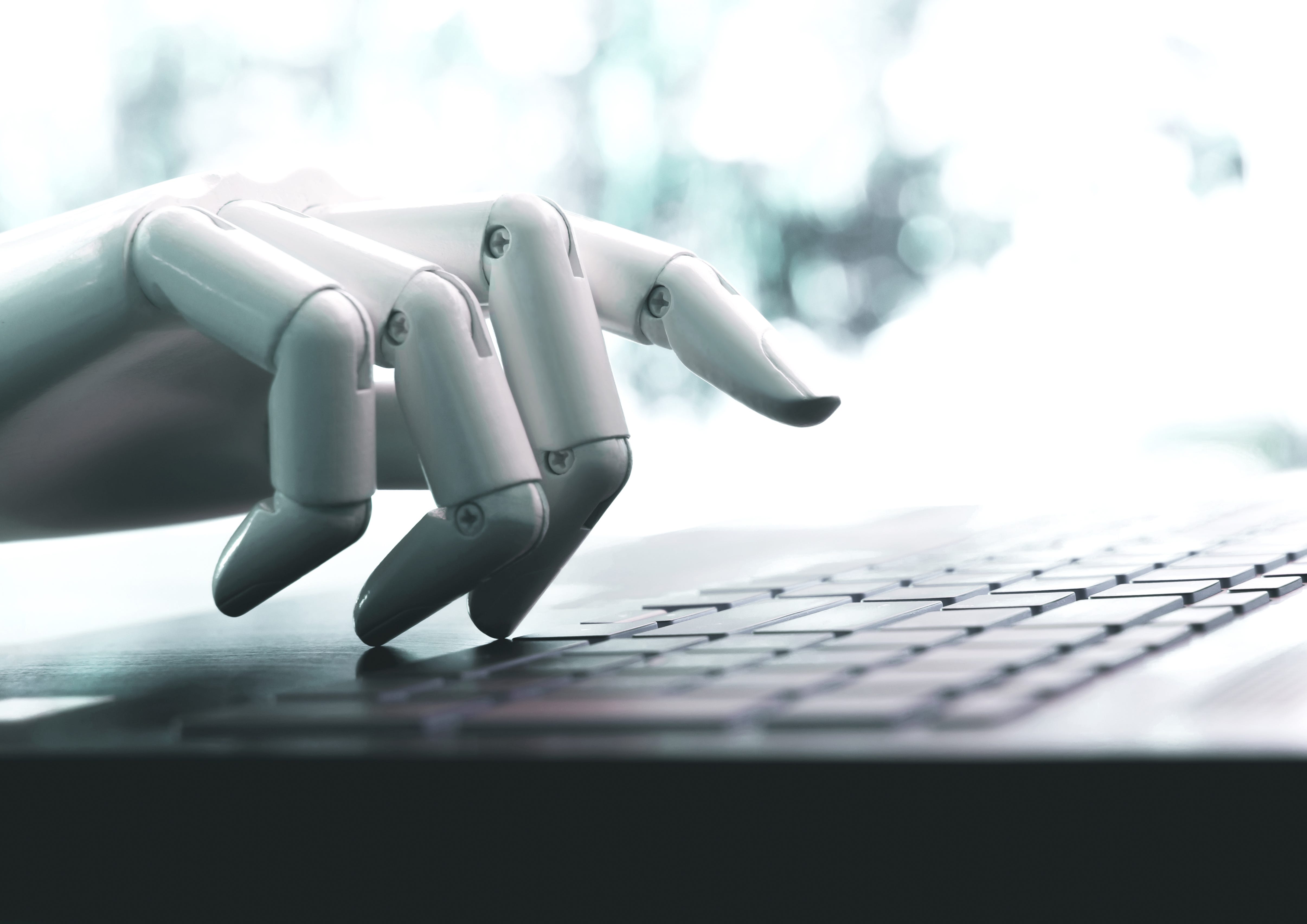
My dear, amazing friend is always talking about abundance, and I want to believe in it with the fervor she does. The breakneck speed of artificial intelligence’s advancements has been making it harder, though. While I’ve been writing my whole life, I have only recently begun to do it in earnest. I worry that I’ve missed the opportunity to make this my life’s work, and to connect with people the way I always dreamed of. All because of AI.
But, is it really AI that is threatening me, or is that just another excuse my fear of failing is hanging onto? Before this, wasn’t it the saturation of blogs that kept me from writing regularly for my own blog? And before that, wasn’t it because so many other people were writing more smartly about the things I wanted to write?
I remember listening to a podcast, probably ten years ago, where they talked about Lamus, a computer program that could write music in the style of Mozart or Chopin. It was eerily accurate and dismaying. That was at least a decade ago, and while the London Symphony Orchestra has played some of Lamus’s creations, the overall consensus is that the music created by the program doesn’t carry the emotion of music written by humans.
In reality, people will read essays, stories, and books written by AI, and some will like them. But AI cannot experience life and share the realness, rawness of it like a human can, even while the uncanny valley gets smaller and smaller. It cannot love, have its heart broken, raise children, or lose loved ones. AI can’t know the nuances of familial relationships or the emotions that a still lake or raging ocean can evoke when standing beside it. It can only produce something manufactured, never felt. As wondrous as AI is, and it is, it does not contain the scientific magic of sentience. A living, conscious being.
Reflecting on the threat of AI to writing also led me to consider this: The size of a writer’s readership is always relatively small. Even if you are a bestselling author, your audience will be a very small percentage of all readers, unless you are J.K. Rowling. This has always been and always will be, because what you write, what I write, isn’t for everyone. But if we keep putting it out there, our people will find us. I don’t believe that AI will stop that.
I know writers are wary of having AI trained on their own work, and I totally agree. But consider how many real people are already plagiarizing the real work of others now. Just this weekend, I read a Substacker’s post about this. Someone stole her scientifically backed, researched essays, barely changing any wording, and posted them as his own. It was horrifying and disheartening to see someone’s hard work stolen, and she isn’t alone. It happens all the time without AI.
The truth is, AI is here to stay, regardless of how we feel about it. Eventually, it will permeate every known sector of work and while the unknown is scary, we have faced unknowns before. Musicians used to think that streaming services would ruin the industry and take money from their pockets. While there were growing pains, it inevitably revolutionized the music industry and gave more power and money to many artists.
Friends, don’t let the threat of AI dissuade you from your calling. Write your big, beautiful heart out, and stay vigilant to anything or anyone who could steal your work. Artists have always and will always have to protect what they create. They have always had to work to be seen or heard. Rage against the machine, sure, but remember first that what you make is important to the world, and no one can deliver it like you. Don’t ever stop.
With love,
M
I agree with you, Mandy. This popped into my inbox as I was discussing AI in the classroom with a colleague. As teachers, we ban it from being used, but, as teachers, we use it for planning and getting ahead of ourselves with resources and anticipation of learner needs. It's a tool for supporting that work, and we've embraced it because, as you've noted here, it's here to stay.
Interestingly, I popped some of my thesis through a plagarism tool to check if I'd missed any citations or references in that specific chapter, and it returned to me saying that it read as 45% AI generated. I was utterly dismayed. Having discussed it with colleagues and supervisors at length though, I was reassured that it was because of my writing style, and it was definitely understood to be my work, especially as the evolution of that work could be charted over time.
It's frightening, as a writer, to have that accusation levelled at you, but to also feel like you have to compete with a machine that can draw on one million references in the time that it takes me to recall one. You're absolutely right though: AI cannot and never will understand what it is to be human, with it's foibles, emotions, tangled web of reactions and responses, and associated psychology. All it can do is imitate, which won't resonate deeply as it just produces a generic overview rather than something nuanced.
Thank you for writing this. Selfishly, I needed to read something like this today, but I also think it's a wonderfully human response to a very divisive subject. Thank you.
Simply as a human you have worth, because you share experience with other humans.